The land war: a third theater
The air game got a sea. Now the sea game gets a shore. The land theater is Warbirds' third way to play — armored combat on the Brick Steppe, where gunnery is everything: every shell strikes a specific plate at a specific angle, and either bites, bounces, or goes clean through and out the far side.
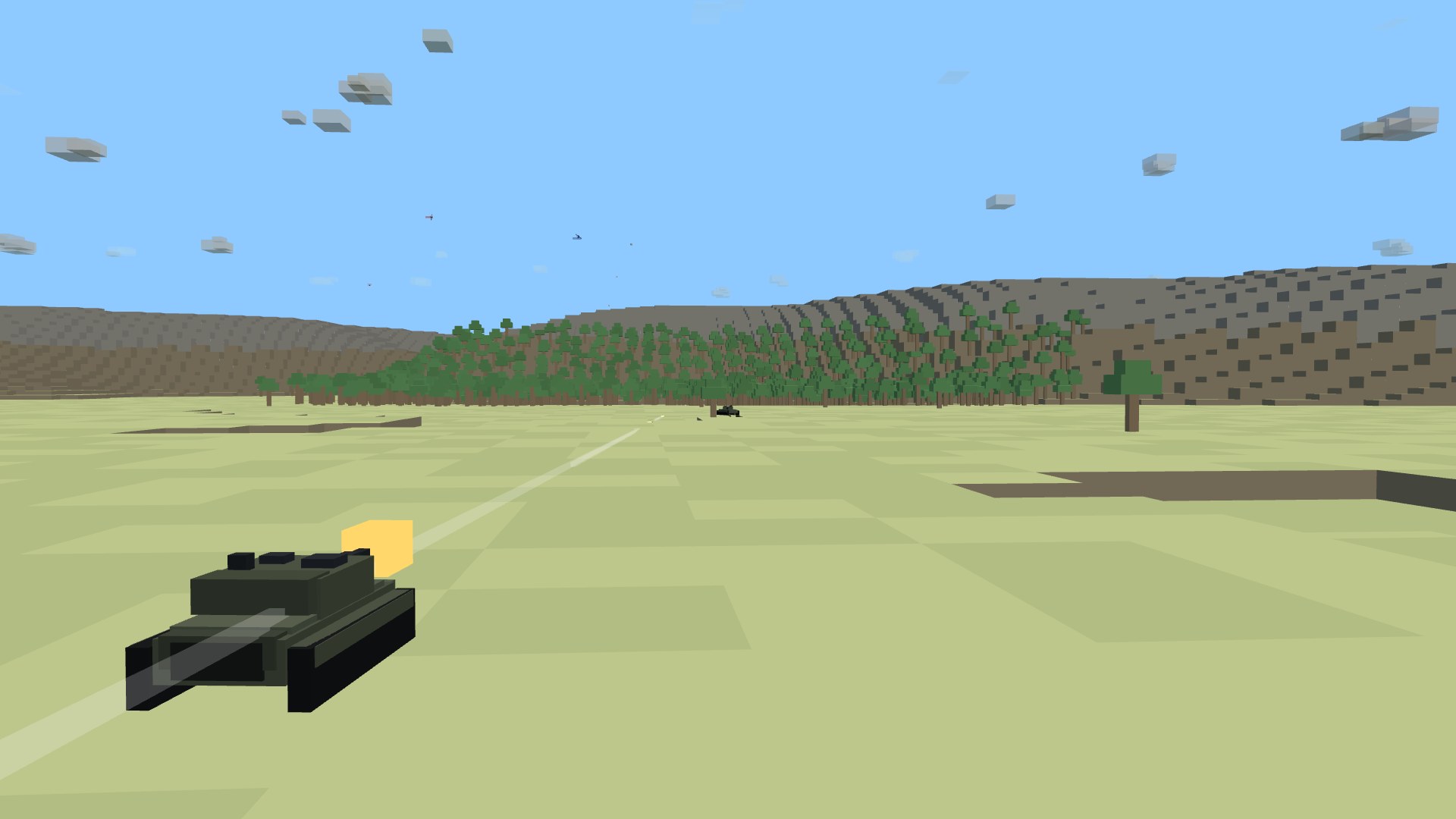
A map built for tank country
The steppe is built to one brief: drivable almost everywhere, readable cover everywhere else. A gently rolling grassland gives the long sightlines gun duels need, with just enough micro-terrain to hide a hull behind a fold. Steep-flanked hill masses wall off parts of the map and squeeze movement into passes. Valley floors pool into lakes. Forests are impenetrable — you can't drive through them and you can't see through them — so a treeline is both a wall and a curtain. And five towns sit on flattened plateaus; the wall you're hiding behind is exactly the wall the shell hits. Three of the towns carry the domination zones: hold them and the score ticks, so every round funnels into street fights.
Four vehicles, four jobs
- The Paladin is the main battle tank: a stabilized 120 mm gun that shoots straight on the move, and a front plate almost nothing in the theater defeats. Its weakness is everything that isn't its front plate.
- The Warden is the IFV: a 25 mm autocannon that shreds soft-skins and light armor, plus wire-guided anti-tank missiles (B) that fly where your sight points, all the way in — SACLOS, so you steer the round by holding the crosshair on the target, and lose it if you look away.
- The Whirlwind is the quad-20 AAA half-track. AI strike planes prowl overhead hunting spotted vehicles all round long; the Whirlwind is the answer, and its four barrels also make a mess of anything soft on the ground.
- The Jackal is a fast, paper-thin gun truck with a 106 mm recoilless rifle. Its HEAT round can't beat a Paladin's front — so it lives on the flanks and in the treelines, where the side armor is. The mount is unstabilized: the sight bounces with the hull, and it shoots from a standstill or not at all.
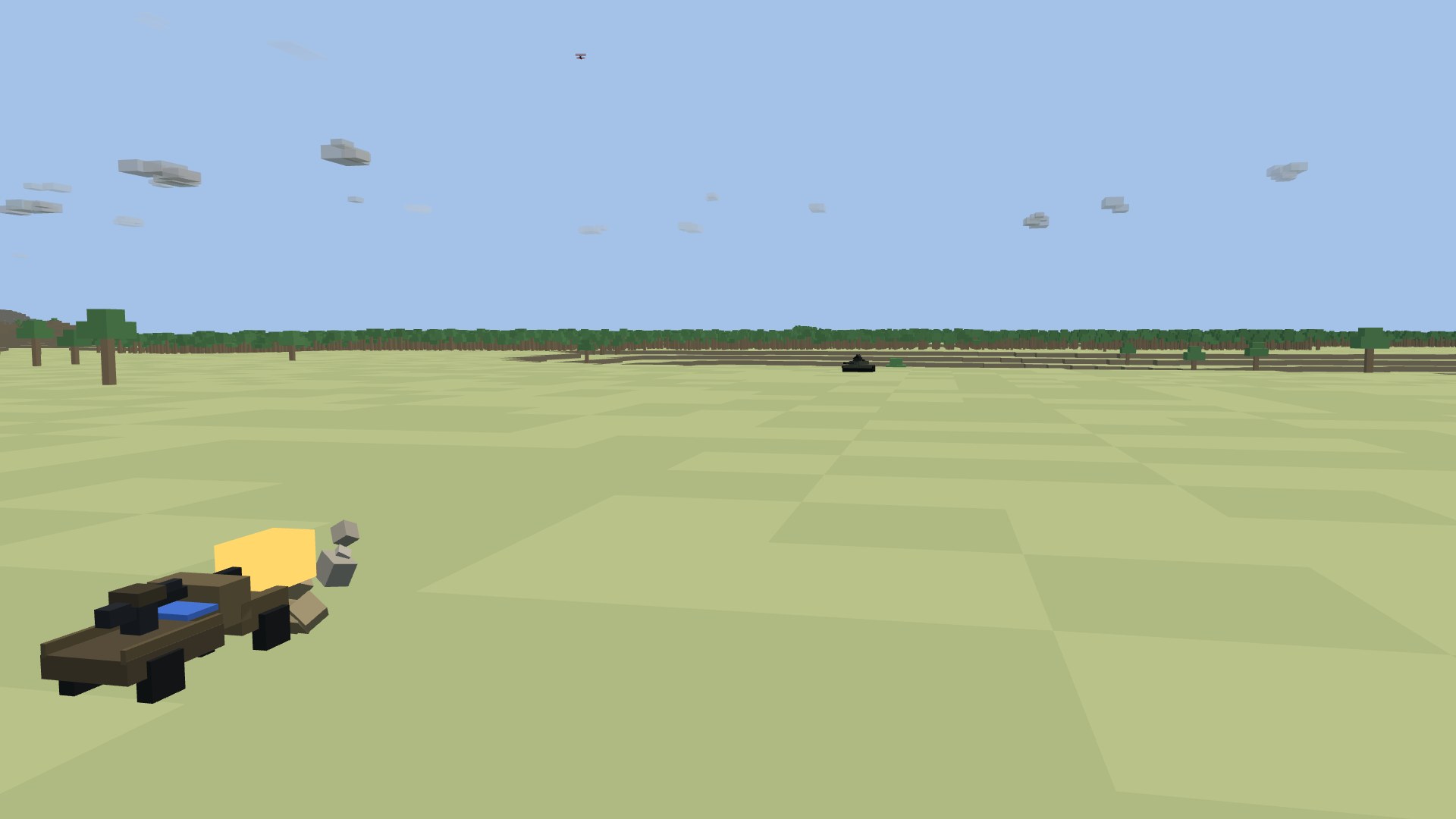
Armor that argues back
The damage model is the whole point of the theater. A land round resolves against the facet it actually strikes — front, side, rear, turret, or roof for plunging fire — thickened by obliquity into the line-of-sight thickness the round must defeat. From there:
- Ricochet: a kinetic round arriving past ~72° off the plate normal skips away, unless it overmatches the plate several times over. Angling your hull is a real skill.
- Shatter: a round that can't beat the effective plate breaks up for a bruise. The Jackal learns which plates not to argue with.
- Penetration: full damage, plus a behind-armor roll — spall finds the tracks, the engine, the gun, the crew, or the ammo rack. Tracks immobilize you, an engine hit leaves you crawling, a gun hit holds your fire, and the ammo rack can detonate the hull outright. Turret hits find gun and crew; rear hits find the engine bay.
- Through and through: a dart that vastly overmatches thin armor punches clean through and keeps flying out the far side with reduced energy — it can strike a second vehicle parked behind. Sabot penetration also decays with flight distance; a shaped charge's doesn't care about range.
Autocannon and aircraft-gun fire resolves through the same model with per-caliber penetration — which is why strafing shreds a Jackal and sparks off a Paladin's roof, and why the Warden's 25 mm worries everything but a tank's face.
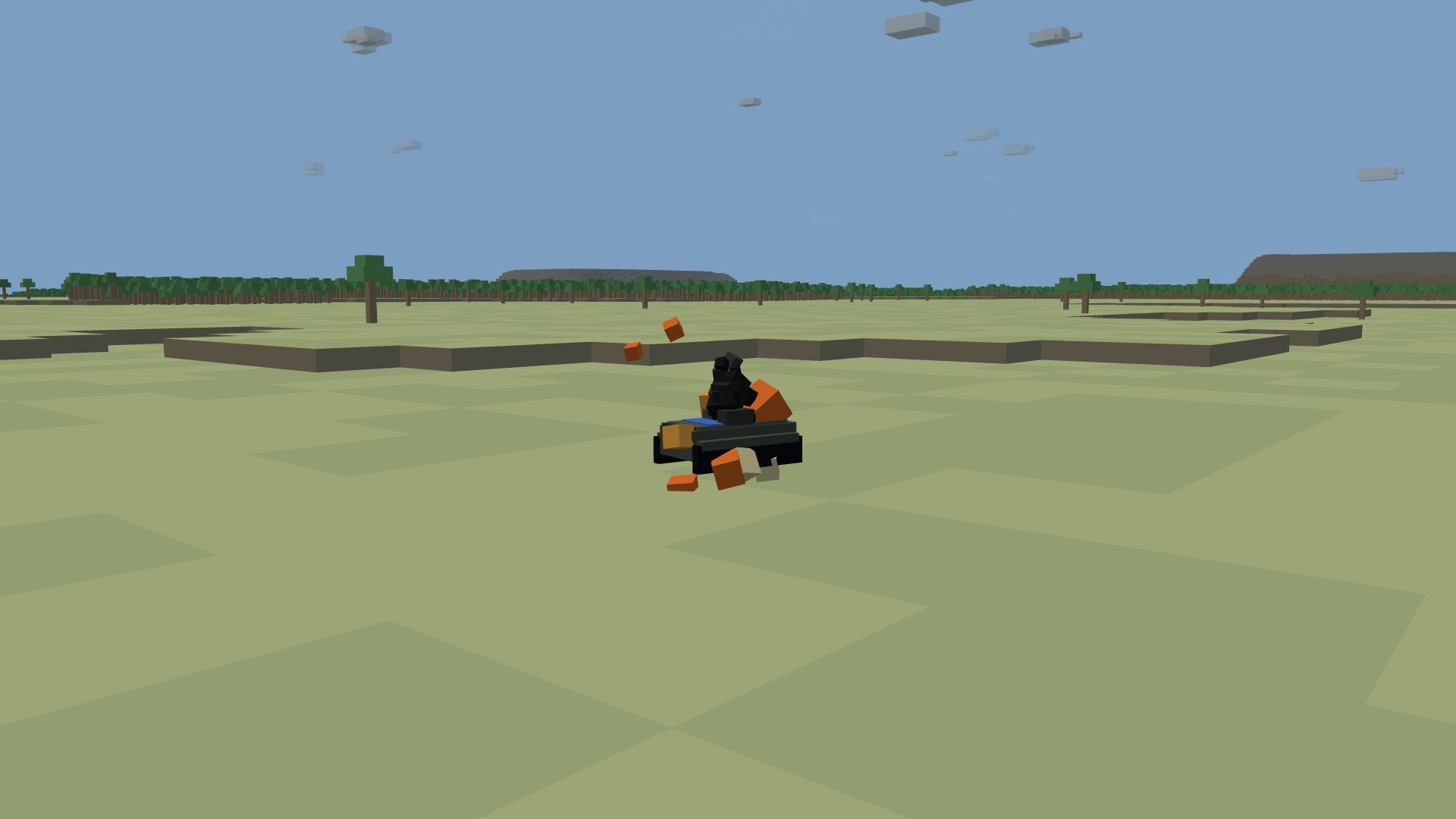
The crew's kit
The consumable loop mirrors the naval theater's — same keys, land meanings. R starts a field repair that puts the modules back together and the fire out. C pops smoke launchers. G redlines the engine. And T calls an artillery fire mission on the point under your gunsight: a few seconds later an off-map battery walks a dozen rounds around it — the great equalizer against a hull-down tank you can't pen, and the reason nobody parks.
Concealment works like the sea's: you're hidden until an enemy in range has a clear line to you, and terrain, canopy, town walls and smoke all break one. Firing gives you away. The gunsights are per-vehicle (Z): the Paladin's fine day sight, the Warden's amber missile optic, the Whirlwind's flak reflector, the Jackal's plain iron ring — every one ranged for you, so the round lands under your crosshair.
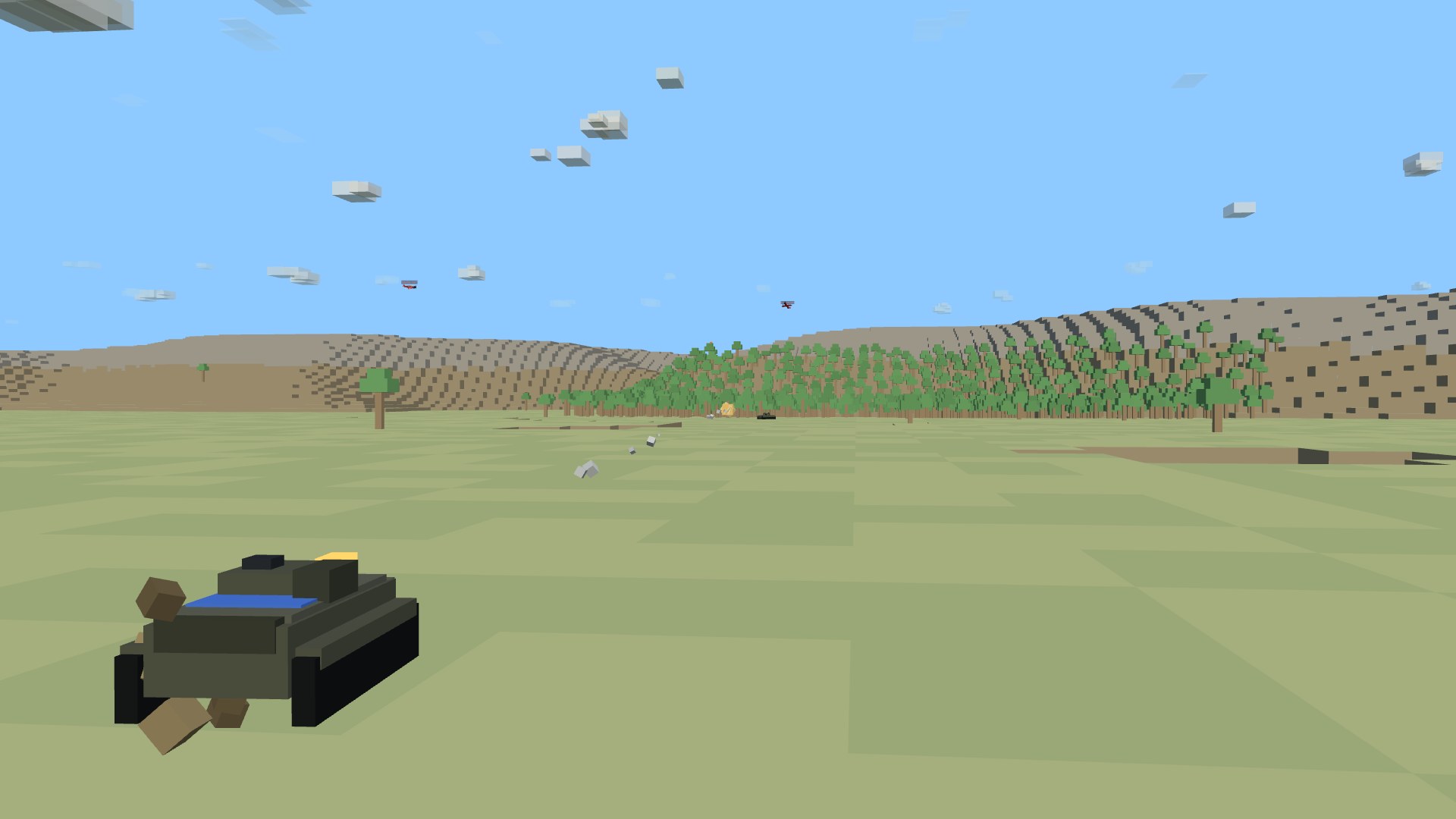
The enemy fights smart
The steppe is never empty. Enemy platoons form up on their heaviest tank, halt to take a shot instead of spraying on the move, only fire on what they've actually spotted, call their own artillery down on a hull-down foe, and break for cover the moment they're burning. They play by the same rules you do — no cheating, just good crews — so a clean flanking kill on an AI platoon feels every bit as earned as one on a human.