The field manual
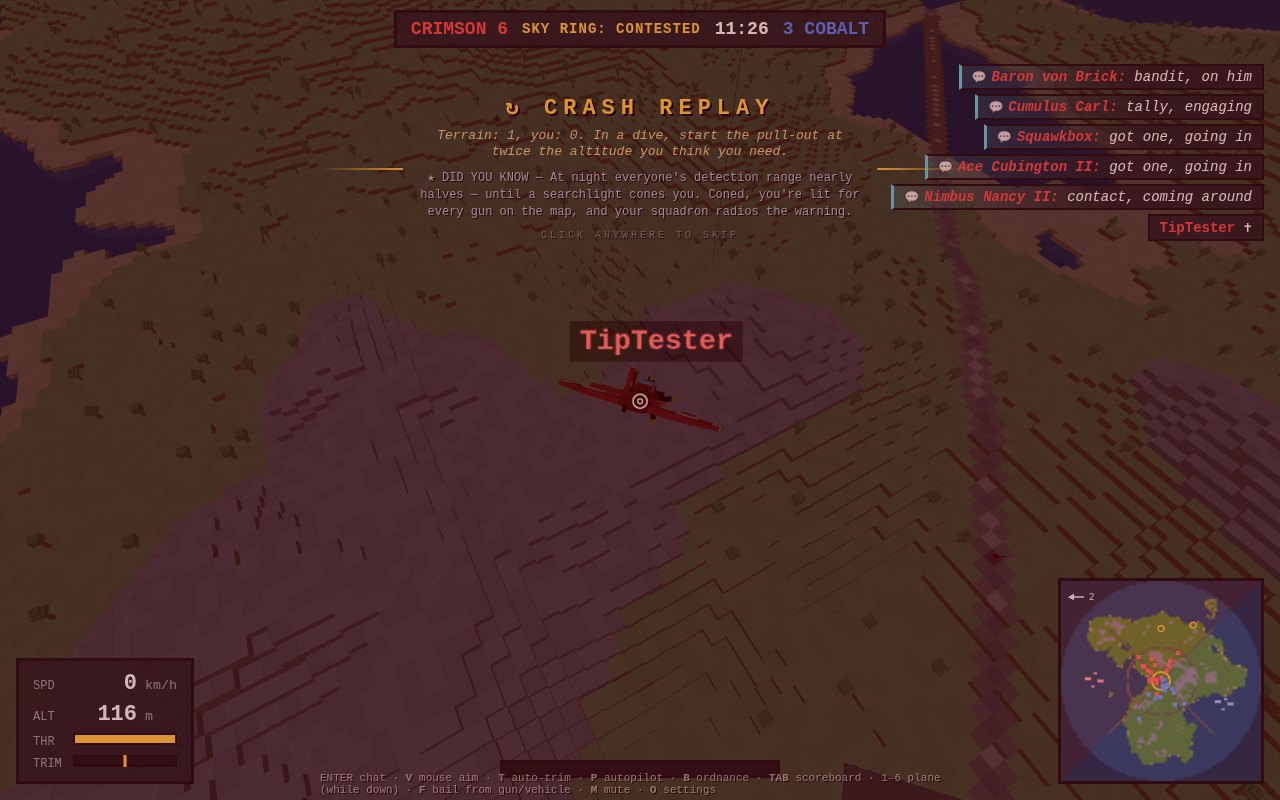
This game is full of machinery the HUD never explains. A splashed pilot is worth points to whoever scoops him. Torpedoes swim where your turrets look, not your bow. A tank's rear plate is a tenth of its front. Nobody tells you any of this — until now. The death screen just became a field manual.
The game keeps secrets it shouldn't
Warbirds is stuffed with good mechanics that most players never discover. Nobody flies search-and-rescue, because nobody knows the bobbing raft with the orange dye ring pays team points if you fly over it low and slow for a couple of seconds. Naval players fire torpedoes off the bow and watch them miss, never told the fish launch along the gun bearing — wherever your turrets are pointed. Tankers bounce round after round off a Paladin's thick face without learning its rear plate is a tenth as strong. Every one of these systems rewards you the moment you know it exists — but until now, meeting them was pure luck.
The one screen every player reliably reads is the death screen. The killcam names who got you; the coach line says why. It's the perfect place to slip in something to learn while you wait to respawn.
One page per death
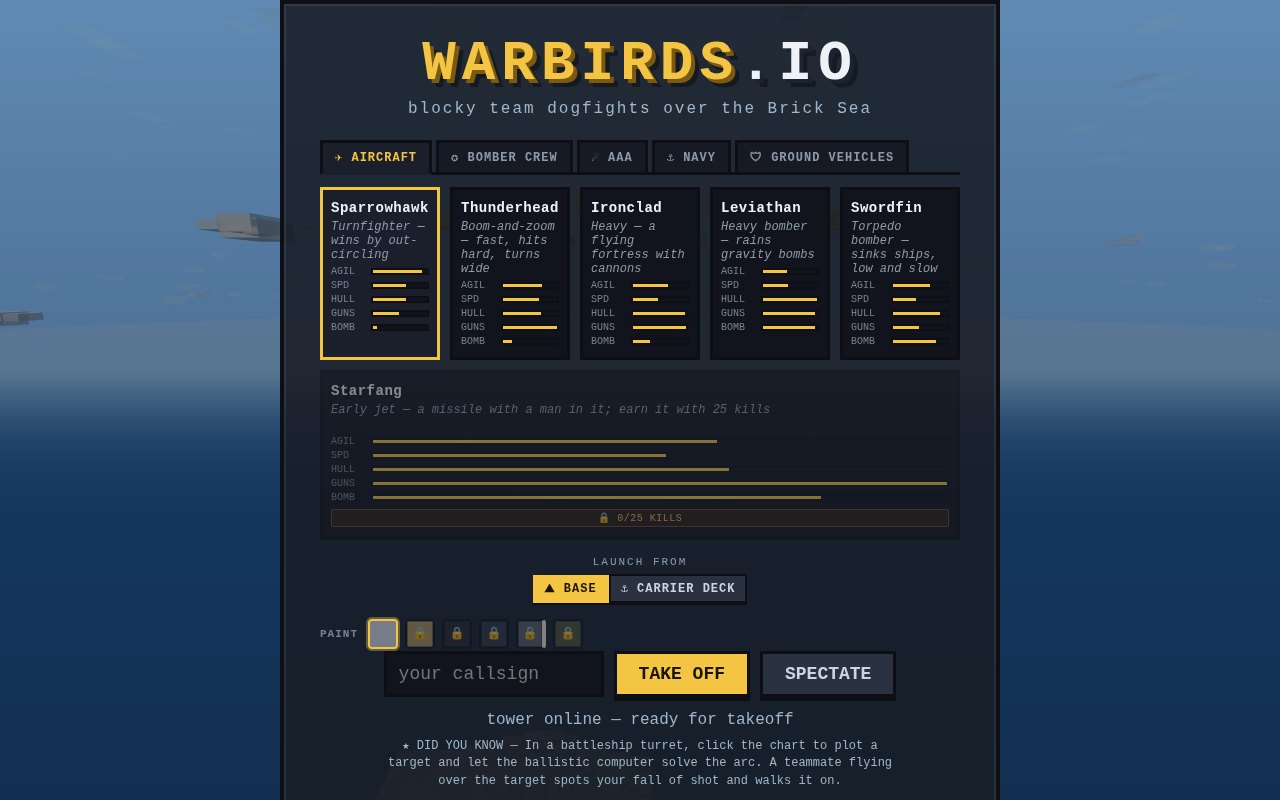
The field manual is a hundred-plus tips, one shown each time you go down — on the killcam, again on the respawn card if you skipped the replay, and one on the join screen so you can start learning before your first sortie. The book rotates so you see the whole thing before anything repeats.
Every theater teaches its own trade. The air pages cover rescuing downed pilots, the two kinds of flak (the shore 88s lead a straight line; ships' rapid mounts track fast and burst), where your guns converge, and the balloon fence. The naval pages cover the torpedo bearing, punching citadels and picking the right shell, and why your guns won't fire straight over the bow. The land pages cover angling your armour, the ammo-rack jackpot, and shoot-and-scoot. The jets pages appear in the Early Jets era, and the combined-arms Gulf teaches from the air and naval books both.
Straight, checked, and true
Every tip is the real number, not a rumour. The rescue window, the ricochet angle, the way firing your tank's gun lights up your position for ten full seconds — all of it matches what actually happens in the game. Where a value gets tuned round to round, the tip points you at the behaviour instead of a hard figure, so the advice stays true. If the manual says it, you can fly, sail, or drive on it.
One page per death. The coach tells you why you went down, the nemesis system tells you who to blame — and now the manual makes sure the trip back to the fight costs you a death but pays you a mechanic. If the game is going to keep killing you, the least it can do is teach you something on the way down.